How to Use Micro-Influencers to Build Hype Before a Restaurant Opening
Pre-opening momentum is built quietly, intentionally, and well before the first reservation goes live.
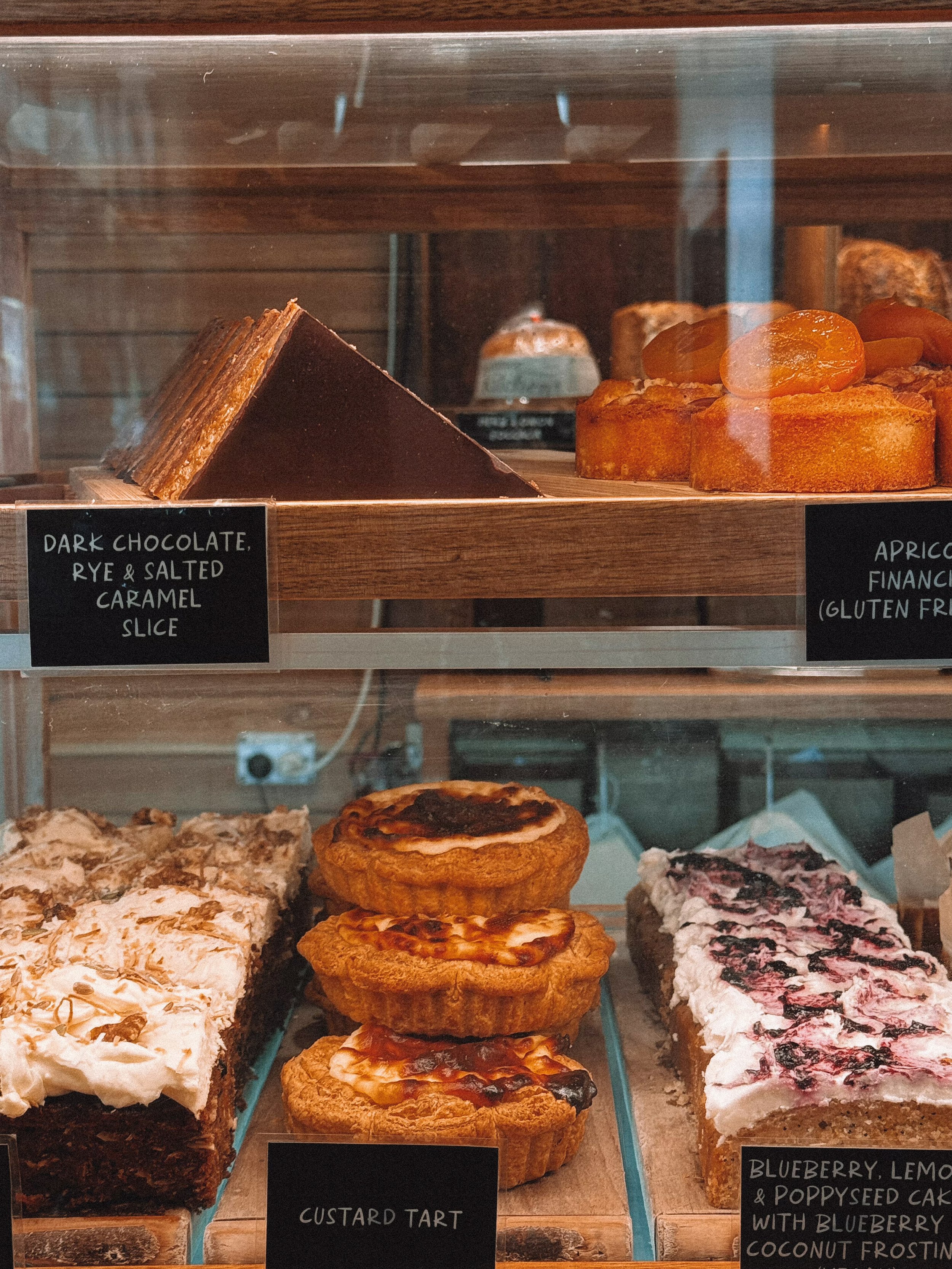
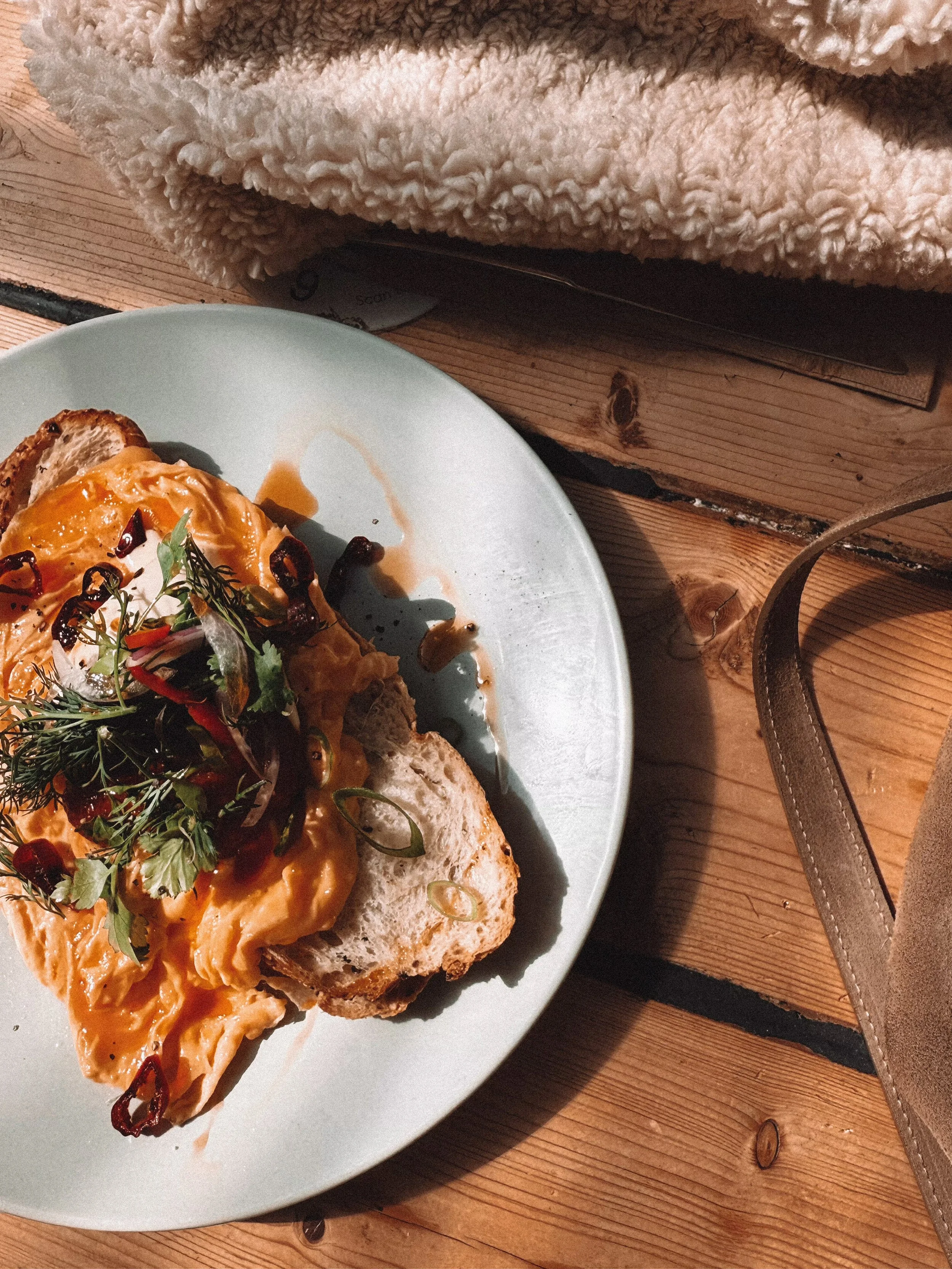
A restaurant opening is a capital event. It carries fixed costs, payroll pressure, vendor commitments, and public scrutiny. The market decides quickly whether you are relevant.
Micro-influencers, when used properly, help shape that decision before doors open.
Treat micro-influencers as trusted voices inside defined local communities, not just as media placements. If you approach them transactionally, the content will feel transactional. If you approach them strategically, then they become early ambassadors in your launch story.
The difference shows up in reservations.
START WITH POSITIONING, NOT INVITATIONS
Before a single creator steps into the space, ownership needs clarity on market and brand positioning.
What role will this restaurant play in the neighborhood?
What emotional lane does it occupy?
Who is it for, specifically?
Micro-influencers amplify whatever positioning you hand them. If the identity is vague, their coverage will be vague. If the identity is sharp, their coverage will feel cohesive even across different voices. That cohesion is what creates recognition, which in turn lowers hesitation when bookings open.
BUILD RELATIONSHIPS BEFORE YOU NEED COVERAGE
The strongest pre-opening campaigns begin with relationship development, not cold outreach.
Well before opening, your team should already know:
Which creators genuinely influence dining decisions in your city
Which ones prioritize storytelling over quick hits
Which audiences overlap with your intended guest profile
The goal is not to get “as many influencers as possible.” The goal is to align with creators whose audiences match your business model.
A 30-seat chef’s counter requires different amplification than a 180-seat rooftop bar.
When alignment is tight, coverage feels natural. When it is misaligned, it feels like an ad.
SEQUENCE THE ACCESS
Access should feel earned and layered. Early in the build-out phase, a small number of respected local voices can be invited to understand the concept and meet the founders. This is not about menu reveals, it is about context.
As the opening approaches, a broader group experiences the space in controlled soft previews. These events are not chaotic influencer parties but curated evenings designed to showcase specific elements: the bar program, the signature dishes, and hospitality style.
Staggering these experiences over multiple weeks creates sustained visibility inside local feeds. Sustained visibility builds familiarity, which in turn builds confidence. This local audience confidence should fill opening week.
PROVIDE DIRECTION WITHOUT SCRIPT
Creators perform best when they understand what matters. That does not mean dictating captions.
You need to communicate:
The story behind the concept
The dishes that define the menu
The reservation timeline
The geographic context
The intended guest experience
When multiple creators independently describe similar strengths, the intimacy of the dining room, the precision of the cocktail program, the personality of the chef, then your positioning begins to solidify publicly.
INTEGRATE THE CAMPAIGN INTO YOUR LAUNCH INFRASTRUCTURE
Influencer activity should never sit in isolation. Before the first preview dinner, you should already have:
A landing page built for waitlist capture
Email and SMS flows prepared
Retargeting pixels installed
A Google Business Profile optimized
A review strategy mapped
When creators post, traffic increases, and that must be captured. Influencer visibility feeds owned audience, which feeds reservation conversion, which stabilizes opening week revenue.
If there is no capture mechanism in place, attention dissipates.
PROTECT THE LONG-TERM RELATIONSHIP
Micro-influencer strategy does not end on opening night. The creators who experienced your restaurant before the public often become repeat advocates. Invite them back for menu updates, keep them informed about seasonal changes, and treat them as part of your extended community.
Restaurants that nurture these relationships benefit from ongoing organic amplification long after the launch window closes.
This is not about free meals, but about mutual alignment and respect.
MEASURE WHAT REFLECTS BUSINESS HEALTH
Pre-opening performance should be evaluated against real indicators:
Growth in branded search
Increase in Google Maps interactions
Waitlist volume
Reservation velocity in the first 14 days
Early review cadence
If these indicators are strong before opening day, the campaign worked. If opening week depends on last-minute paid pushes, the pre-opening architecture was incomplete.
FINAL THOUGHTS
Micro-influencers are a strategic layer within a structured launch plan.
When treated thoughtfully and integrated into your marketing infrastructure, they help shape perception, accelerate trust, and stabilize early revenue.
Inside the GHC Skool community, we teach restaurant operators how to build full pre-opening systems, from influencer sequencing and positioning control to reservation funnels and review velocity strategy, so launches feel deliberate, not improvised.
Trending Stories