Behind the Bar: How to Market Cocktails and Elevate Bar Revenue
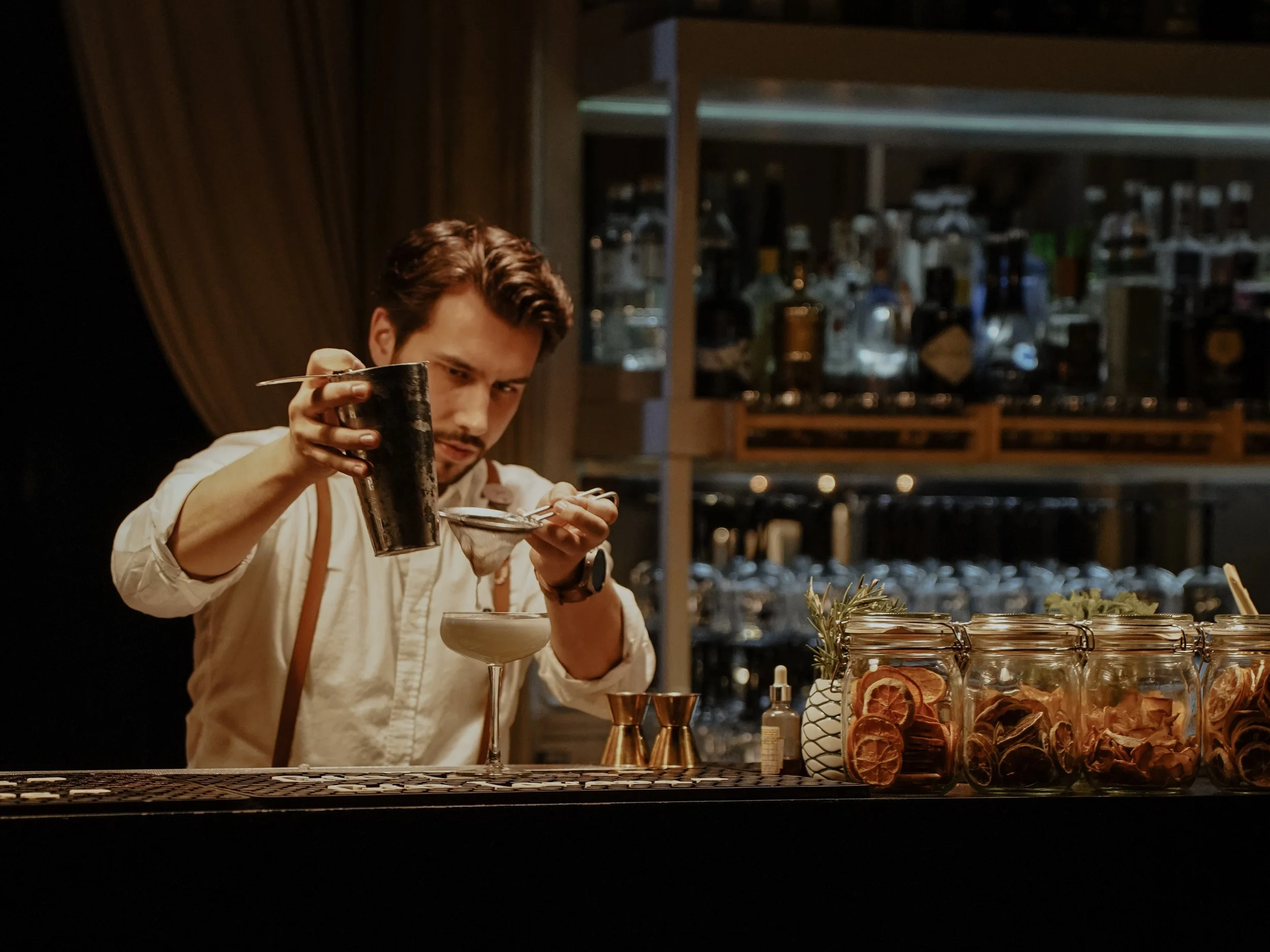
If your cocktails are great but your bar is still “slow sometimes,” it’s not the drinks. It’s the marketing system around them.
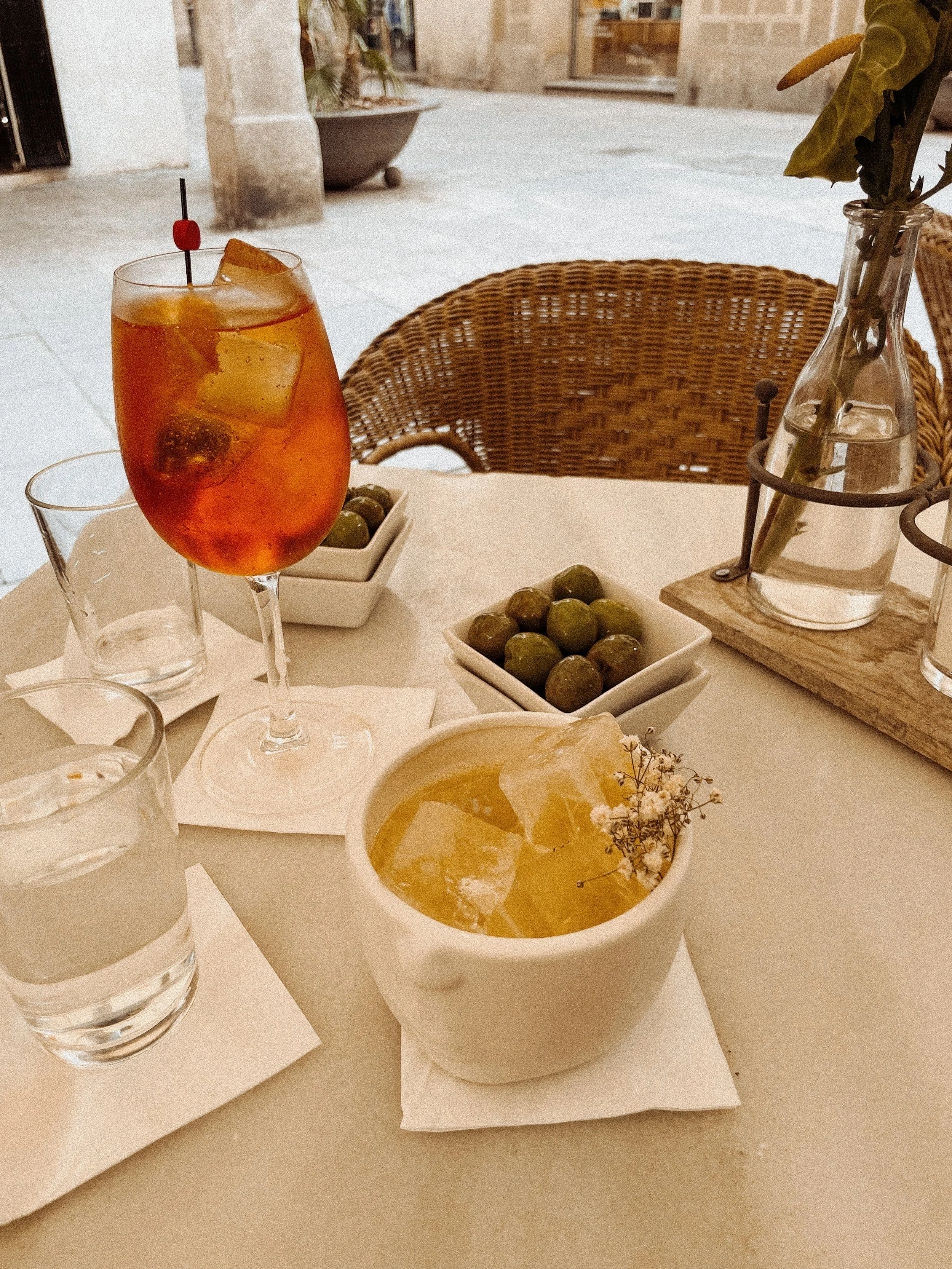
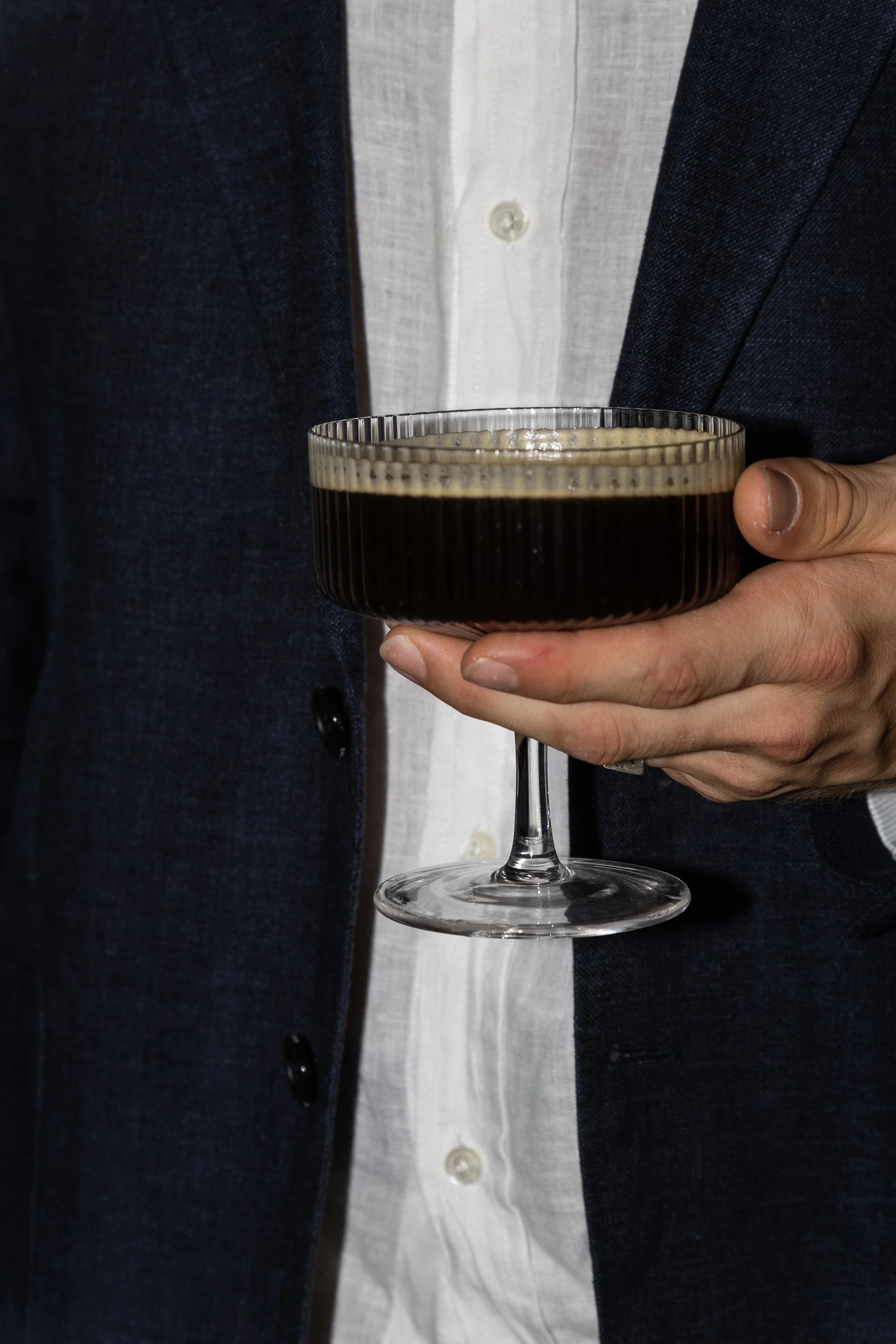
In a strong cocktail bar, the drinks are rarely the problem. The opportunity sits in how the cocktail program is organized, communicated, and reinforced across the guest experience.
When cocktails are treated as a system rather than a rotating collection, they become easier to sell, easier to remember, and more effective at driving repeat visits and higher checks. That shift is subtle, but it’s where revenue becomes more predictable.
This is how a cocktail bar or lounge should approach marketing its cocktail program.
BUILD A COCKTAIL PROGRAM WITH CLEAR ROLES
Before marketing enters the picture, the cocktail menu itself needs internal structure. Not every drink needs to do the same job.
A balanced program typically includes:
3-5 Signature Cocktails: These are the drinks that define the bar. They stay on the menu long enough to build recognition and should be the first place staff and marketing point.
Signature cocktails:
Represent the bar’s identity
Appear consistently across menus and content
Are easy to describe and recommend
Anchor press mentions and collaborations
Guests should be able to associate at least one of these drinks with your bar months after their visit.
2-3 Volume Movers: These cocktails support operational efficiency and margin. They are approachable, quick to execute, and reliable under pressure.
Volume movers:
Perform well during peak hours
Appeal to a broad range of guests
Are often the default recommendation when someone is undecided
These drinks quietly carry a large share of revenue.
1-2 Seasonal Features: Seasonal cocktails introduce urgency and give returning guests something new to engage with.
They work best when:
Rotated quarterly rather than constantly
Promoted intentionally for a defined period
Tied to a season, event, or collaboration
Seasonal cocktails are most effective when they complement, rather than replace, the core program.
LET THE MENU GUIDE DECISION MAKING
Menus function best when they help guests choose quickly and confidently.
Clear hierarchy, readable descriptions, and intentional placement all reduce hesitation. Instead of focusing on technique or ingredients, effective menus communicate what the drink feels like and when it makes sense to order it.
When guests understand what to expect, they order more decisively and are more open to recommendations. That clarity directly supports both volume and check average.
ALIGN STAFF RECOMMENDATIONS WITH THE COCKTAIL PROGRAM
Staff influence cocktail sales more than any campaign, but only when they’re aligned.
Rather than leaving recommendations to individual preference, successful bars create light structure:
One or two cocktails are emphasized per shift or campaign
Staff understand why those drinks are being featured
The same cocktails appear in menus, signage, and content at the same time
This alignment creates consistency in what guests hear and see, which increases adoption without making service feel scripted.
USE CONTENT TO REINFORCE RECOGNITION
Cocktail content works best when it reinforces familiarity rather than novelty.
Repeating the same signature drinks across visuals, angles, and moments builds memory. Guests begin to recognize the cocktail, the glassware, the lighting, and the environment together.
Over time, that repetition turns individual drinks into identifiers for the bar itself.
TREAT EVENTS AS EXTENSIONS OF THE COCKTAIL PROGRAM
Events are most effective when they deepen the existing identity of the bar.
Cocktail clubs, guest bartender nights, and limited menus work when they are clearly connected to the core cocktail program. They give guests a reason to return while strengthening recognition around the drinks and atmosphere the bar is already known for.
Well-executed events support both visibility and loyalty.
FINAL THOUGHTS
Marketing cocktails isn’t about convincing guests the drinks are good. That expectation already exists.
The real work is in making the program easier to understand, easier to remember, and easier to sell across menus, staff interactions, content, and experiences.
When those elements move together, cocktails stop being interchangeable and start contributing meaningfully to revenue.
WANT TO DIVE DEEPER INTO OUR MARKETING SYSTEM? JOIN OUR SKOOL COMMUNITY.
Trending Stories